
According to data put out by the Japan National Travel Organization (JNTO) , the number of travelers from the United States to Japan has increased by 43 percent between April of 2024 and April of 2025, marking a significant boom.
As a result, PR and digital marketing company, ShapeWin conducted an end of year survey, focused on tourism and travel to Japan. Through examining the habits of tourists as well as their common challenges, the findings offer insights for companies in customer-facing industries, such as the restaurant industry and tourism industry, highlighting for the need for clearer communications and a considerate attitude.
Key Findings
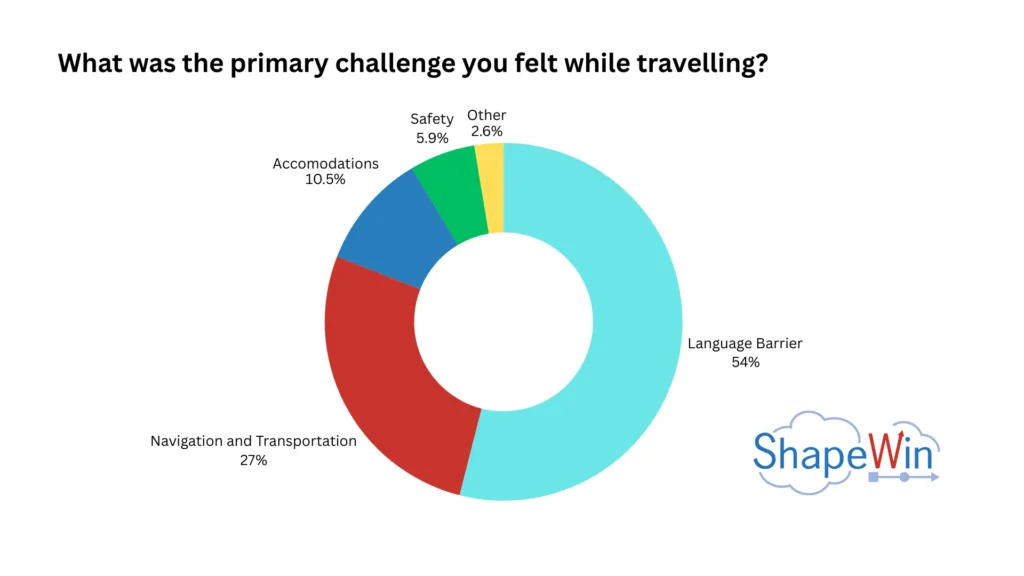
- 53.9% of tourists cited language barriers as the biggest challenge when traveling in Japan.
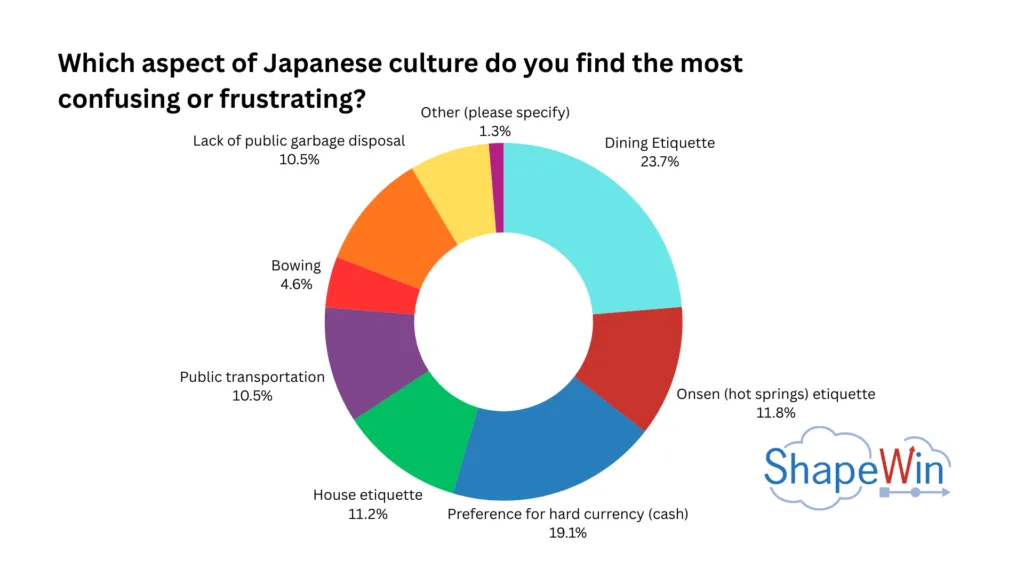
- 23.7% of tourists were confused by Japanese dining etiquette.
- 19.1% of tourists were frustrated by Japan’s continued reliance on hard currency over credit cards and other electronic payment methods.
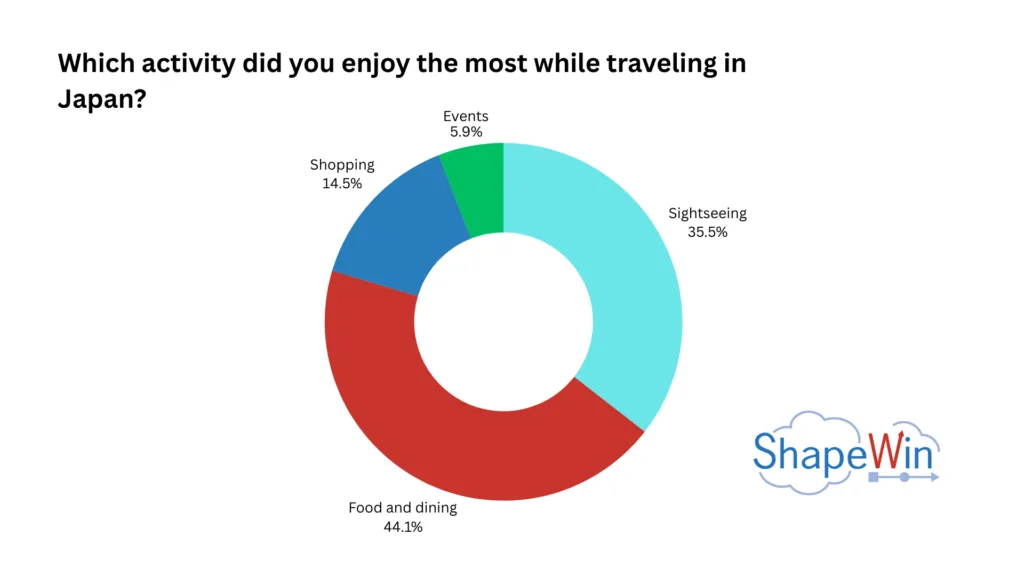
- Despite these challenges, 44.08% said food and dining were the most enjoyable part of their trip to Japan.
Survey Criteria
The survey was conducted online in December 2025 among 300+ American residents who had visited Japan within the past 12 months. The respondents ranged in age from 18 to 41 and were asked a total of fourteen questions regarding their trip to Japan, with thirteen being multiple choice and one being a sliding scale.
Results
Not the First Time for Many
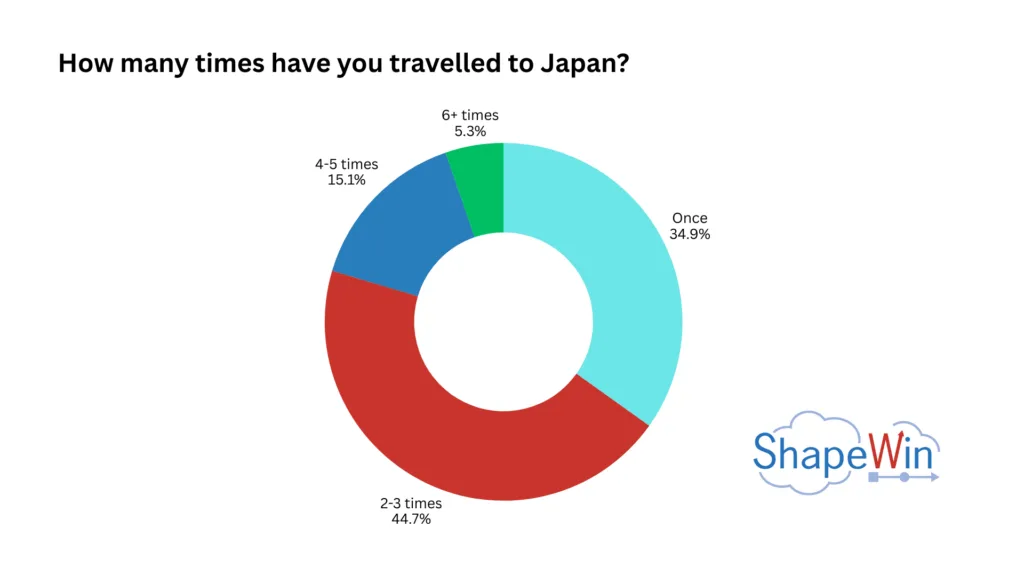
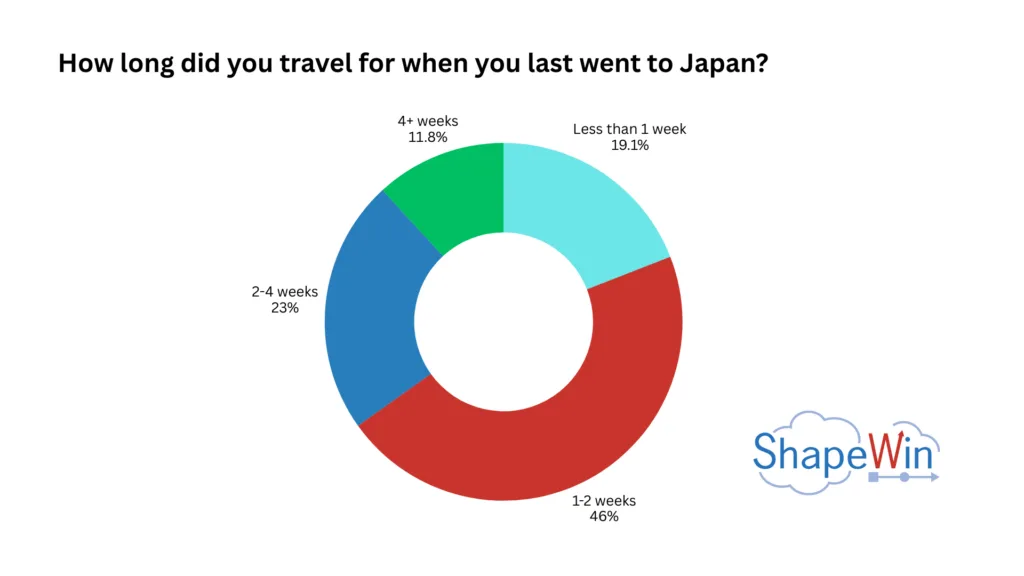
Of the 300 people surveyed, the majority of respondents (44.7%) said that they had travelled to Japan between 2-3 times, followed by those who had been to Japan only once (34.9%). Most respondents travel to Japan for a duration of 1-2 weeks (46.05%) followed by 2-4 weeks (23.0%).
Familiar but not Fluent
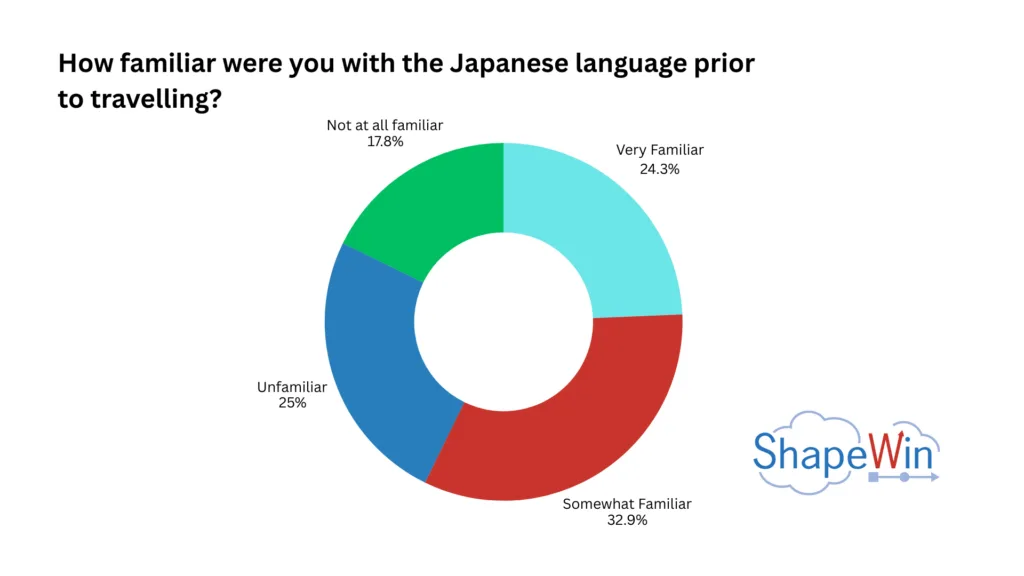
Interestingly, most of the respondents (32.9%) stated that they were “somewhat familiar” with the language. This is in contrast to those who stated that were unfamiliar with the language (25.0%) and very familiar with the language (24.3%). Despite this, the vast majority of respondents felt that the language barrier (53.9%) felt that the language barrier was the most difficult aspect of travelling in Japan.
Cultural Challenges
Additionally, many tourists felt that dining etiquette (23.7%) and the preference for hard currency (19.1%) were the most difficult cultural differences to overcome. It is worth noting that with regards to cultural differences, no particular cultural difference exceeded 30 percent, meaning that these differences were often quite varied. Other notable cultural differences that caused issue included hot springs (onsen) etiquette (11.9%), house etiquette (11.2%), lack of public garbage disposal (10.5%) and public transportation etiquette (10.5%).
The Positives
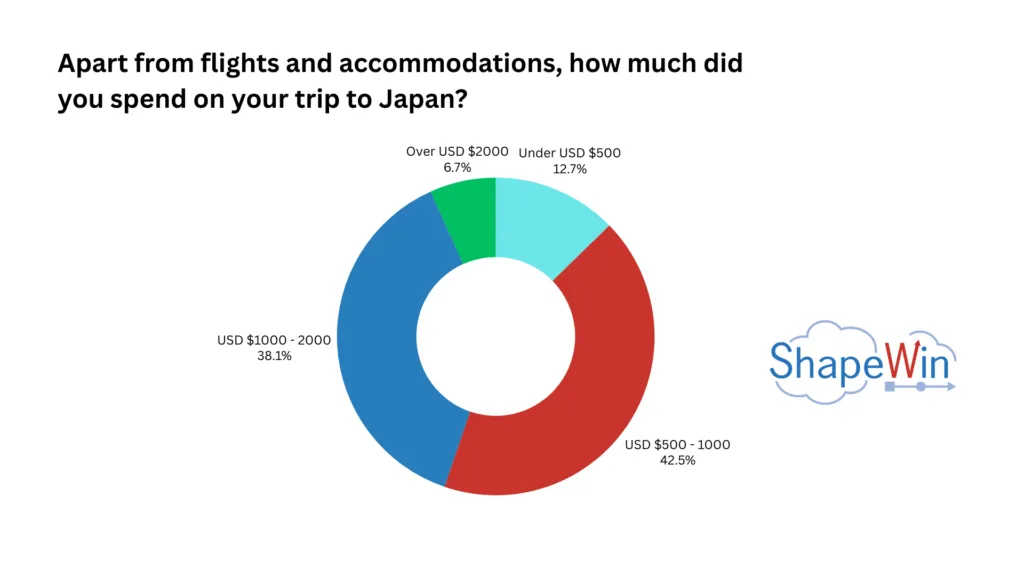
In contrast to this, most respondents (44.1%) cited food and dining as the most enjoyable activity in Japan, followed by sightseeing (33.5%), shopping (14.5) and events (5.9%). Apart from flight and accommodation expenses, most respondents (37.5%) spend between USD $500 and $1000, followed by respondents who spent between USD $1000 and $2000 (33.6%)
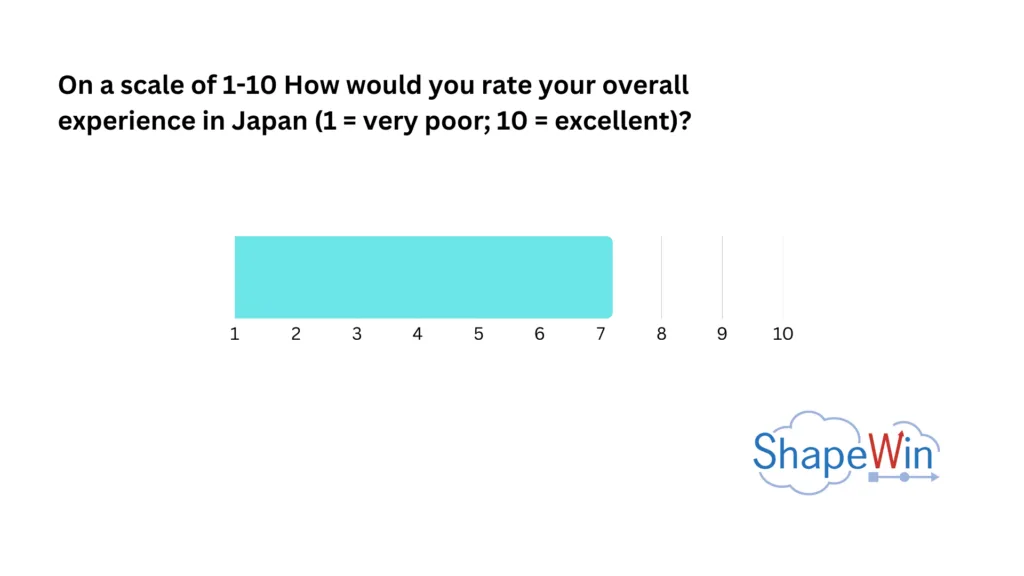
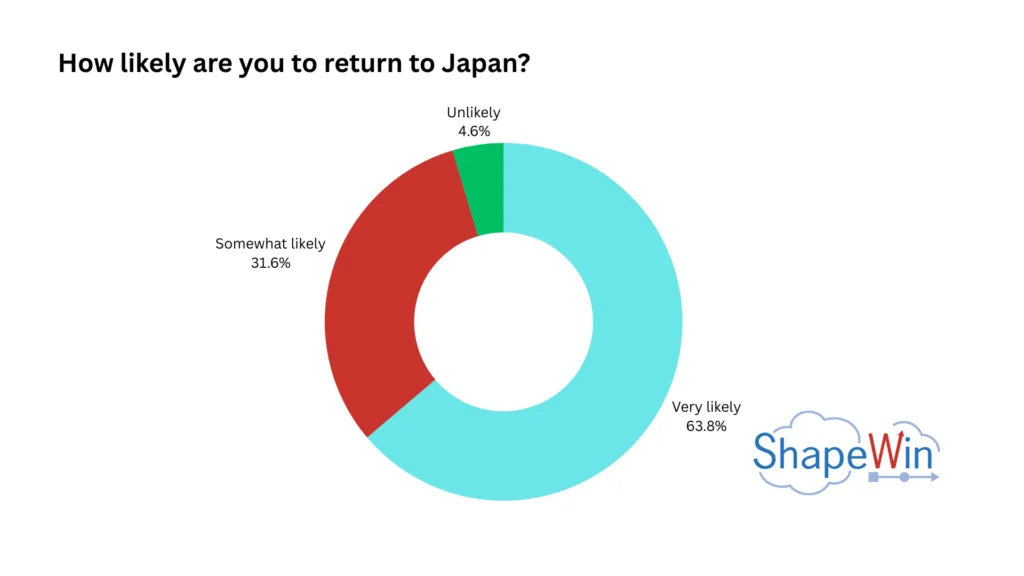
An average of the total respondents rated their Japan trip as 7.2/10 with a majority of respondents (63.9%) stating that they are very likely to return to Japan.
Conclusions: The Need for Empathy
When discussing conclusions, of interest is the contradictions that exist within people who enjoy travelling to Japan. Even though most tourists said that they had some familiarity with the Japanese language prior to travel, the language barrier still proved to be one of the largest difficulties that tourists faced. This might mean that despite studying and attempting to learn parts of the language to facilitate smoother communication, there were still instances of miscommunication.
Another interesting contradiction is how despite how popular food and dining was among tourists, many people struggled with dining etiquette. This could include using chopsticks incorrectly, speaking loudly at the table, leaving food uneaten, or not understanding the proper way to pour drinks for others. The preference for hard currency could also factor into this as well, considering many Japanese restaurants, particularly those away from city centers like Tokyo or Osaka, do not have electronic payment options.
Both of these examples show that when tourists make mistakes with regards to Japanese language or culture, it is not coming from a place of malice, but rather ignorance. Rather than belittling, ignoring or becoming angry at these individuals, it is important to correct them so that they do not make the same mistakes. At the same time, tourists who come to Japan should be come with an open mind and be willing to learn from their mistakes. This way, they can assuage the worries of Japanese people and foster positive interactions.
Additionally, as tourism to Japan continues to increase, such insights will benefit industries which are customer-facing and interact with these foreigners. Japanese people who work these industries, such as restaurants, tourism and apparel, should be empathic and understand that clear communication is essential. By combining patience, empathy, cultural awareness, and effective communication, businesses can ensure positive experiences for both visitors and staff. This will not only strengthen customer satisfaction but also takes into consideration the frustrations of staff, who may not be used to handling tourists from a variety of difficult cultural and linguistic backgrounds.